Panama City Living Guide

Panama City's Public Market

One of the best-kept secrets for residents and visitors alike — Panama City's sprawling public market is where locals shop for the freshest tropical produce and the best-priced meats in the city, all under one roof.

June 2026  |  7 min read  |  Panama City, Panama

If you want to understand how Panama City's residents actually eat and shop — not how tourists do it — the public market is where you go. While expats and newcomers often default to supermarkets, local Panamanians have long known that the city's public market offers dramatically fresher produce and significantly better meat prices than any grocery chain can compete with.

The market is a large, busy, covered building divided into two distinct worlds. On one side, row after row of vendor stalls overflow with tropical fruits, vegetables, herbs, and produce that arrived fresh from farms across Panama that same morning. On the other side, a dedicated meat section houses dozens of independent butcher stalls selling every cut of beef, pork, chicken, and more — at prices that will genuinely surprise anyone accustomed to supermarket rates.

For expats and retirees living in Panama City, discovering the public market is often a turning point. It is the moment when you realize that eating extremely well on a tight budget is not just possible in Panama — it is easy, once you know where to shop.

The Market at a Glance

What to know before your first visit

CashMost stalls are cash only — bring small bills
EarlyBest selection and freshness in the morning
$20Can fill a week's produce for two people
DailyOpen 7 days a week — no day off

The Produce Side — Tropical Abundance

Walk into the produce section of the market and you immediately understand why Panama has such a rich food culture. The stalls are piled high with produce that looks nothing like what you find vacuum-sealed in a supermarket. Everything here was grown recently and arrived fresh — and you can tell instantly from the colors, the smell, and the way vendors handle it.

You will find all of the everyday staples — tomatoes, onions, garlic, peppers, potatoes, yuca, and plantains in every variety — alongside a dizzying selection of tropical fruits that many visitors have never seen before. Maracuyá (passion fruit), nance, mamey, guanábana, rambutan, dragon fruit, and dozens of seasonal items rotate through depending on the time of year. Vendors are generally happy to let you sample something unfamiliar and explain how to eat or prepare it.

Prices are dramatically lower than supermarkets. Many expats report being able to fill a large bag of produce for $15–$20 that would cost $50–$60 at a typical grocery chain. Buying directly from vendors also means you can ask for exactly the quantity you need — no pre-packaged quantities or minimum purchase amounts.
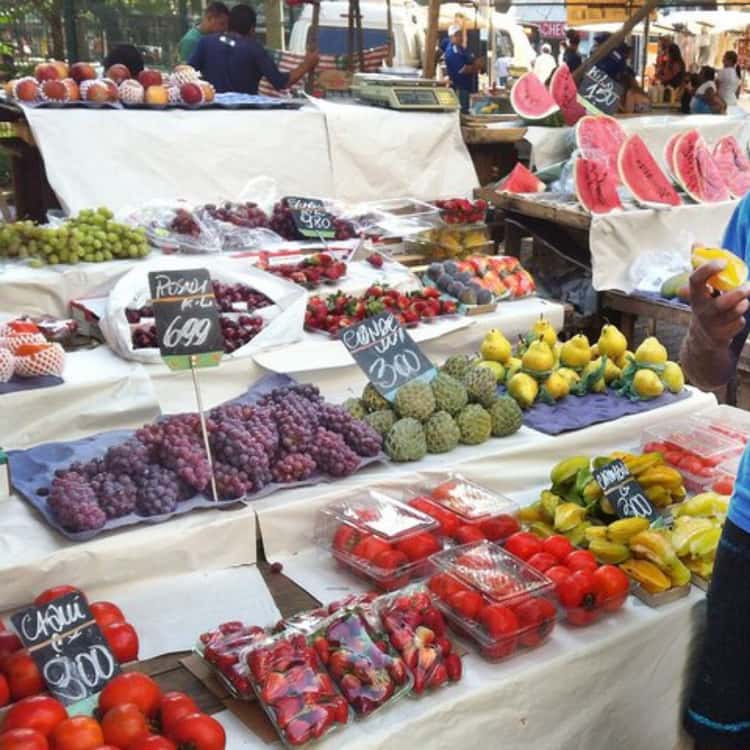
Tropical fruits and vegetables Panama City market

What You'll Find — Produce Section

A sampling of the fruits, vegetables, and ingredients available

Everyday Vegetables
  • Tomatoes — multiple varieties, vine-fresh
  • Onions, garlic, and shallots
  • Peppers — sweet, hot, and everything between
  • Yuca, ñame, and otoe (root vegetables)
  • Plantains — green, yellow, and ripe
  • Corn, squash, and pumpkin
  • Cilantro, culantro, and fresh herbs
Tropical Fruits
  • Maracuyá (passion fruit)
  • Guanábana (soursop)
  • Mamey, nance, and jobo
  • Rambutan, dragon fruit, and star fruit
  • Mangoes — multiple seasonal varieties
  • Papaya, pineapple, and watermelon
  • Bananas — many varieties beyond grocery store types
Specialty & Dry Goods
  • Dried chiles and spices in bulk
  • Dried beans — black, red, lentils
  • Rice in quantity at wholesale prices
  • Coconuts — whole and pre-grated
  • Cacao pods and chocolate products
  • Nuts and seeds in bulk
  • Seasonal and regional products that vary week to week

The Meat Section — Butcher Quality at Market Prices

Cross to the other side of the market building and the atmosphere shifts completely. The meat section is lined with independent butcher stalls, each staffed by experienced carniceros who know their trade. Display cases and hanging cuts of beef, pork, chicken, and other meats fill every booth, and the competition between vendors keeps quality high and prices very competitive.

This is where Panama City residents who cook seriously tend to do their meat shopping. The prices are noticeably lower than supermarket chains — sometimes 30–50% less for comparable cuts. And unlike pre-packaged supermarket meat, you can ask a market butcher to cut exactly what you want, in the thickness you want, trimmed the way you like it. Most vendors are skilled and happy to accommodate specific requests.

You will find all of the standard beef cuts — steaks, roasts, ground beef, short ribs, and organ meats — alongside full pork sections with ribs, chops, belly, and sausages. Chicken is widely available whole, in parts, or custom-broken down. Goat, lamb, and other meats appear depending on season and vendor. For expats who love to cook and want genuine butcher-counter quality at market prices, this section is transformative.

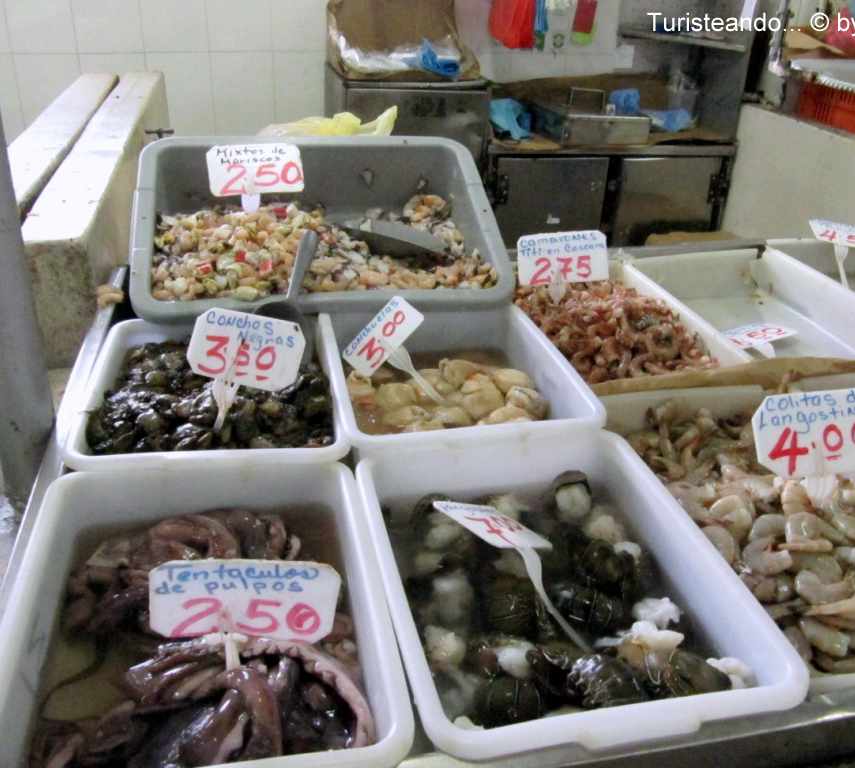
Panama City market seafood stalls

What You'll Find — Meat Section

A guide to what the butcher stalls typically carry

🐄
Beef

Steaks, ground beef, roasts, short ribs, brisket, oxtail, and organ meats. Ask for custom-cut thickness on any steak.

🐷
Pork

Chops, ribs, belly, shoulder, ground pork, chicharrón-ready skin, and fresh sausages. Often very affordable.

🐔
Chicken

Whole birds, parts, or broken down to order. Fresh and typically priced well below supermarket rates per pound.

🐟
Seafood

Fresh fish, shrimp, and shellfish from Panama's Pacific and Caribbean coasts. The full seafood market (Mercado de Mariscos) is also nearby on Avenida Balboa.

🐟 Also Nearby: The Mercado de Mariscos

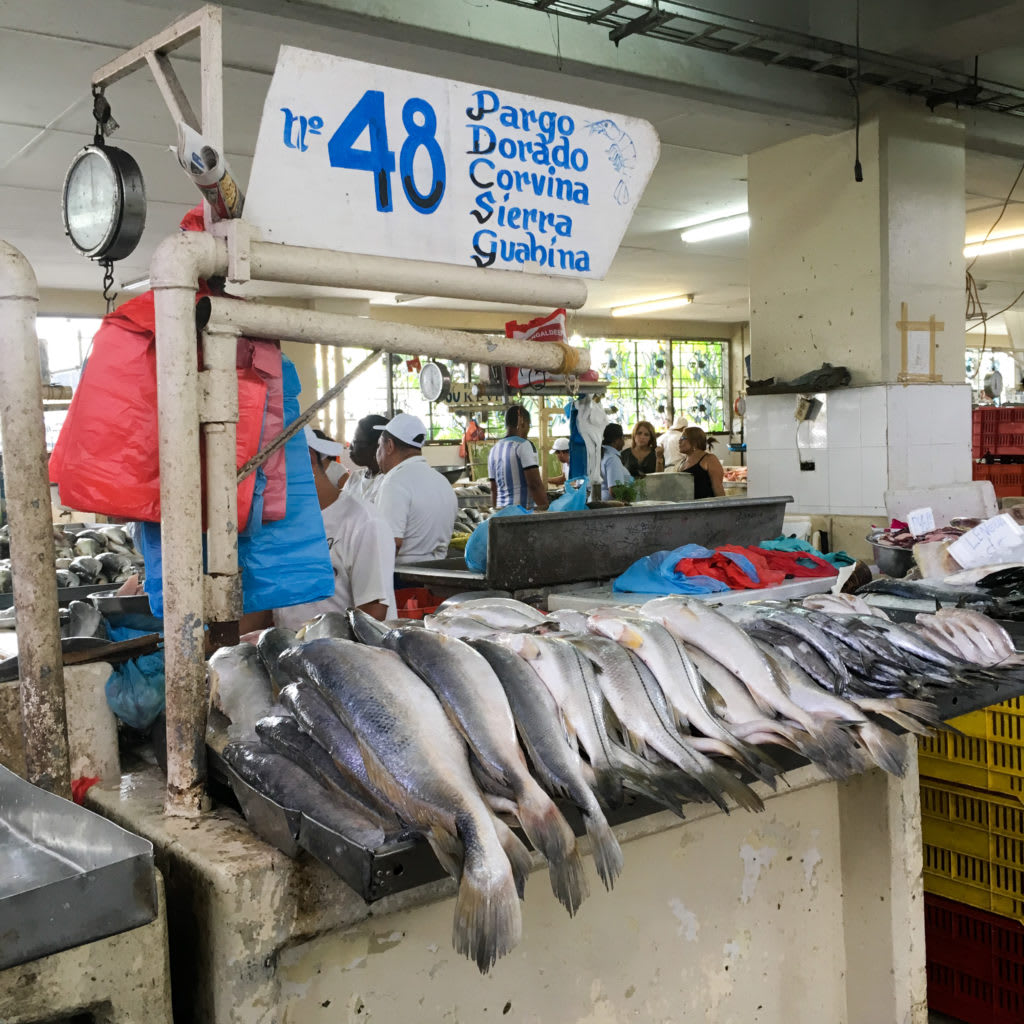
If seafood is your priority, Panama City also has a dedicated fish market — the Mercado de Mariscos — located on Avenida Balboa at the entrance to Casco Viejo. This large covered building is entirely devoted to fresh seafood, with dozens of stalls on the ground floor selling the morning's catch.

You will find corvina (sea bass), pargo (red snapper), mahi-mahi (dorado), tuna, shrimp, octopus, lobster, crabs, clams, and much more — all fresh from Panama's Pacific and Caribbean fishing fleet. Prices are excellent and the quality is outstanding given how recently most of it came out of the water.

Upstairs from the fish market floor are several casual restaurants where vendors will cook what you just bought, or where you can order ceviche — Panama's national dish — made fresh on the spot for just a few dollars.

Mercado de Mariscos Panama City fresh fish stalls

Tips for Shopping the Market Like a Local

Bring cash and small bills

Most stalls do not accept cards. Small bills make transactions faster and vendors appreciate not having to make change from large notes.

Go early for the best selection

Early morning is when produce is freshest and most abundant. By midday some stalls begin reducing inventory or packing up.

Bring your own bags

Reusable shopping bags or a large tote are essential — you will buy more than expected, and the market is not generous with plastic bags.

Ask vendors what is best today

Vendors know their stock. A quick "¿Qué está bueno hoy?" ("What is good today?") will get you to the freshest items faster than browsing alone.

Find a regular vendor and build a relationship

Regular customers often get better prices, first pick of special items, and helpful tips on how to prepare unfamiliar produce.

Try something new every visit

The market is one of the best places to explore Panama's extraordinary range of tropical fruits. Vendors love introducing unfamiliar items and explaining how to eat them.

Market vs. Supermarket — What Is the Difference?

Why residents who discover the market rarely go back to the grocery store for produce and meat

Factor Public Market Supermarket
Freshness Same-day farm delivery Days to weeks old; refrigerated
Price — Produce 30–60% cheaper Higher — packaging and margin
Price — Meat 30–50% cheaper Higher — branding and packaging
Cut to Order Yes — any cut, any thickness Pre-packaged only
Variety Extensive tropical & local variety Standard international selection
Payment Cash only (most stalls) Cards accepted
Convenience Requires browsing & engagement Easy one-stop shopping
Experience Cultural, social, authentic Standard retail environment

Frequently Asked Questions

Common questions about shopping at Panama City's public market

Significantly cheaper — most shoppers report spending 30–60% less on produce compared to grocery chain prices. Meat savings are typically 30–50%. A bag of produce that would cost $50+ at a supermarket regularly runs $15–$20 at the market. Over a month of regular shopping, the savings add up to hundreds of dollars for a couple.
Basic Spanish helps a great deal — most vendors speak little or no English. But the market is very visual and hands-on, so you can point, gesture, and hold up fingers for quantities. Even a few basic phrases go a long way: "¿Cuánto cuesta?" (How much?), "Un kilo, por favor," and "¿Qué es esto?" (What is this?) will carry you through most transactions comfortably.
Early morning is best — ideally before 9 or 10 a.m. That is when produce is freshest, selection is widest, and the market energy is at its peak. The market operates daily, but some vendors wind down by early afternoon once their stock sells out.
Yes — this is one of the market's best features for cooks. Butcher stall vendors are skilled and will cut steaks to your preferred thickness, debone chicken, prepare roasts, or prepare cuts you specify. This kind of personalized butcher service simply does not exist at supermarkets, which only sell pre-packaged cuts.
Yes — the public market is a normal, busy commercial space that local families use daily. Exercise standard common sense: keep your bag in front of you, carry only the cash you need, and be aware of your surroundings in crowded areas. It is not a tourist attraction, so you will blend in more by shopping purposefully than by lingering with expensive camera gear visibly displayed.
They are different markets. The Mercado de Mariscos is Panama City's dedicated seafood market on Avenida Balboa near Casco Viejo — it specializes entirely in fresh fish, shrimp, and shellfish, and has casual restaurants on its upper floor. The public market described in this guide is a separate facility focused on produce, meat, and dry goods. Many regular shoppers visit both on the same outing.

Discover More Panama City Living Tips

From Sunday morning street life to cost of living breakdowns — explore our full guides to living in Panama City and beyond.