Panama is one of the most biodiverse countries on the planet — a photographer's paradise packed with exotic birds, rare mammals, colorful frogs, and jungle landscapes that reward anyone who shows up with a camera.
June 2026 | 10 min read | All of Panama
Panama sits at the crossroads of North and South America — a narrow land bridge where species from two continents mix, migrate, and thrive in habitats ranging from Caribbean coastlines to Pacific highlands, cloud forests to tropical lowlands. The result is extraordinary biodiversity that has made Panama one of the top destinations in the world for wildlife photographers, birders, and nature enthusiasts.
The country is home to more than 980 recorded bird species — more than the entire United States and Canada combined. It also boasts an impressive roster of mammals including jaguars, tapirs, sloths, and several species of monkeys. Reptiles, amphibians, and insects round out a natural world that delivers compelling photography opportunities at virtually every turn.
What makes Panama especially attractive for photographers is the accessibility. World-class wildlife is not hidden deep in remote wilderness — much of it can be found within easy reach of Panama City, Boquete, and the country's network of national parks and protected areas. You do not need to mount an expedition here to photograph remarkable wildlife. In some cases, it finds you.
Some of the species that draw photographers from around the world
With nearly 1,000 recorded species, Panama is one of the great birding destinations on Earth. The country's position as a biological bridge means that species from North and South America are found here together in habitats that range from humid lowland rainforest to cool highland cloud forest.
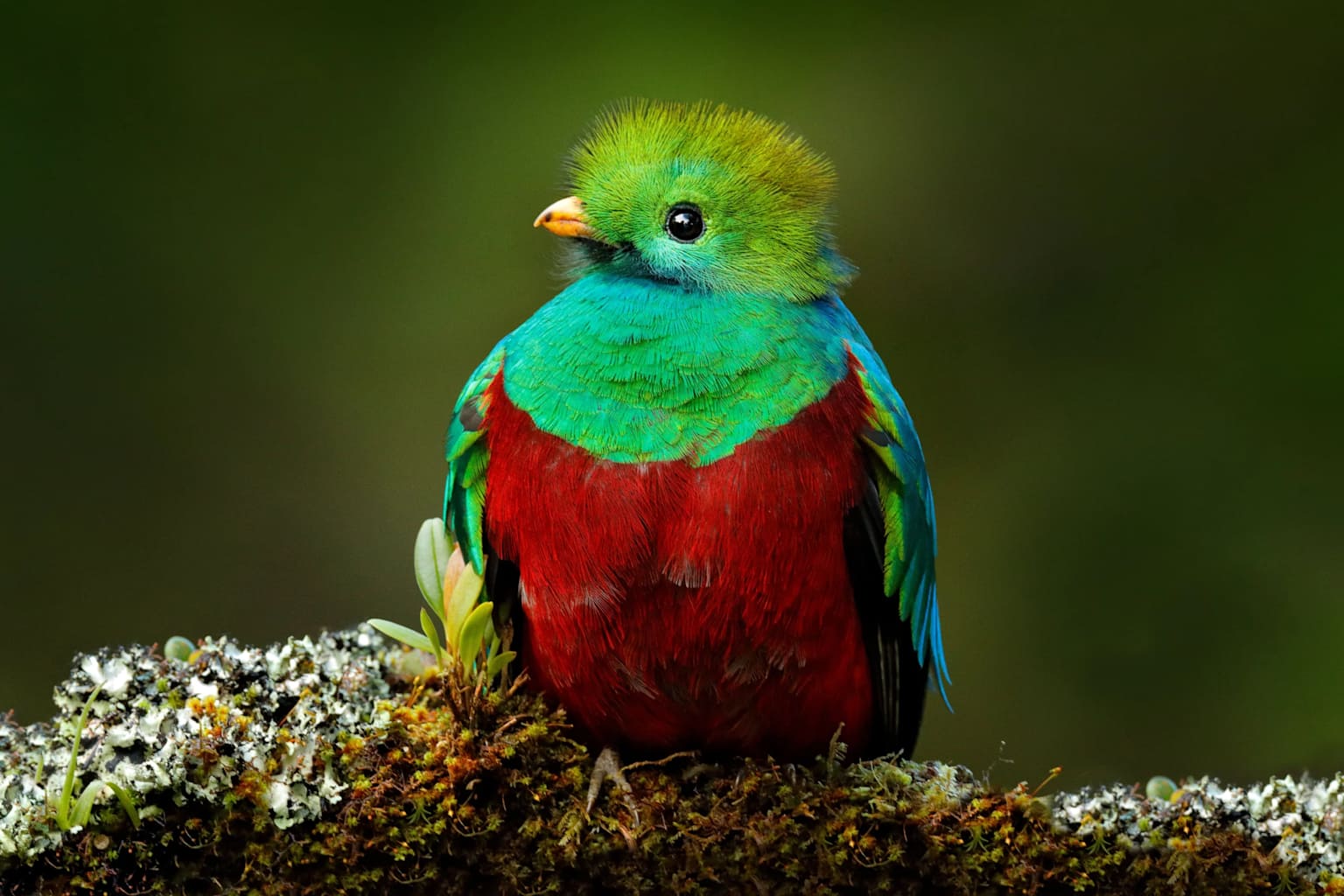
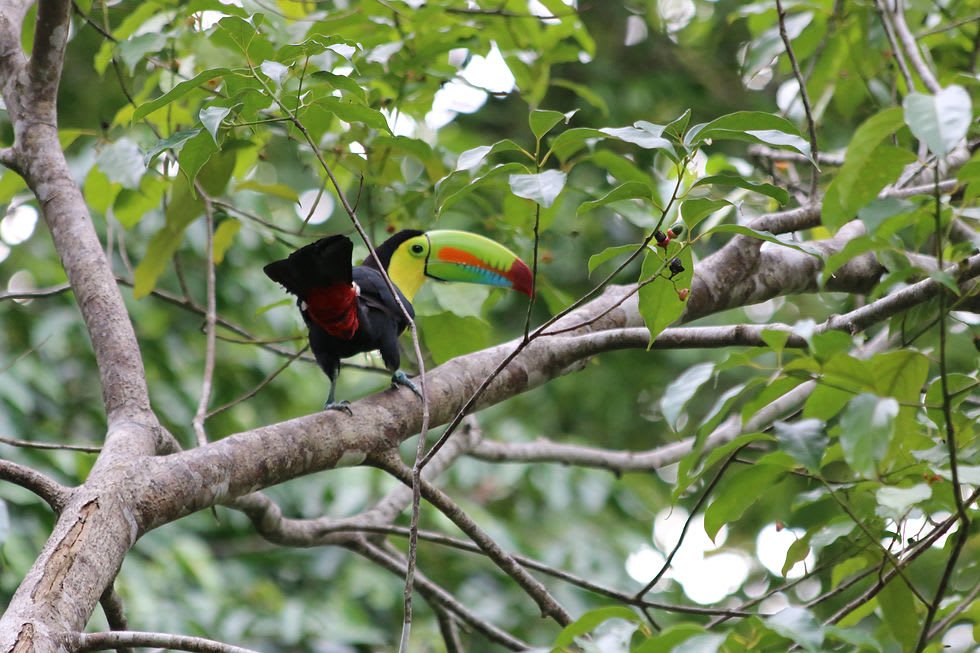
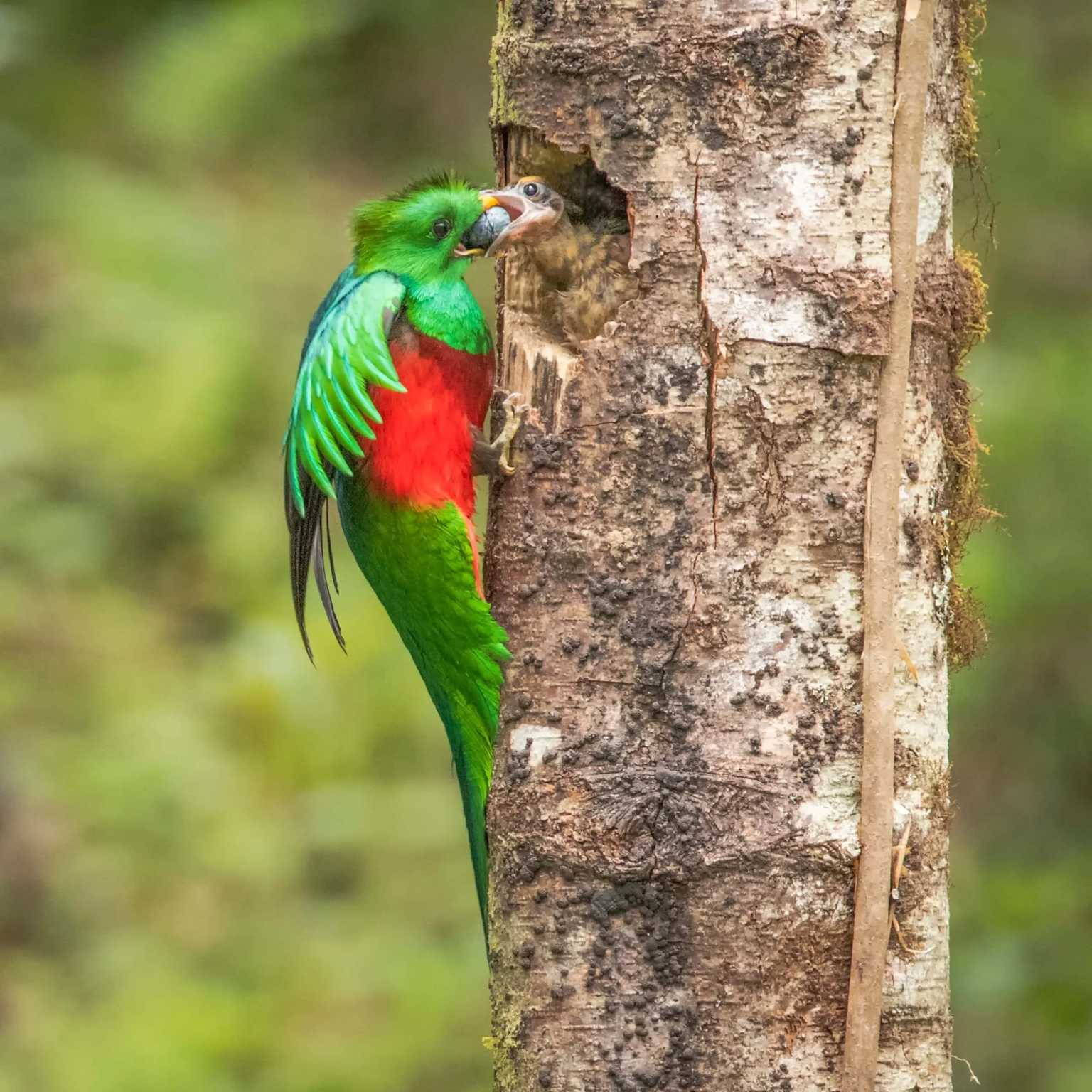
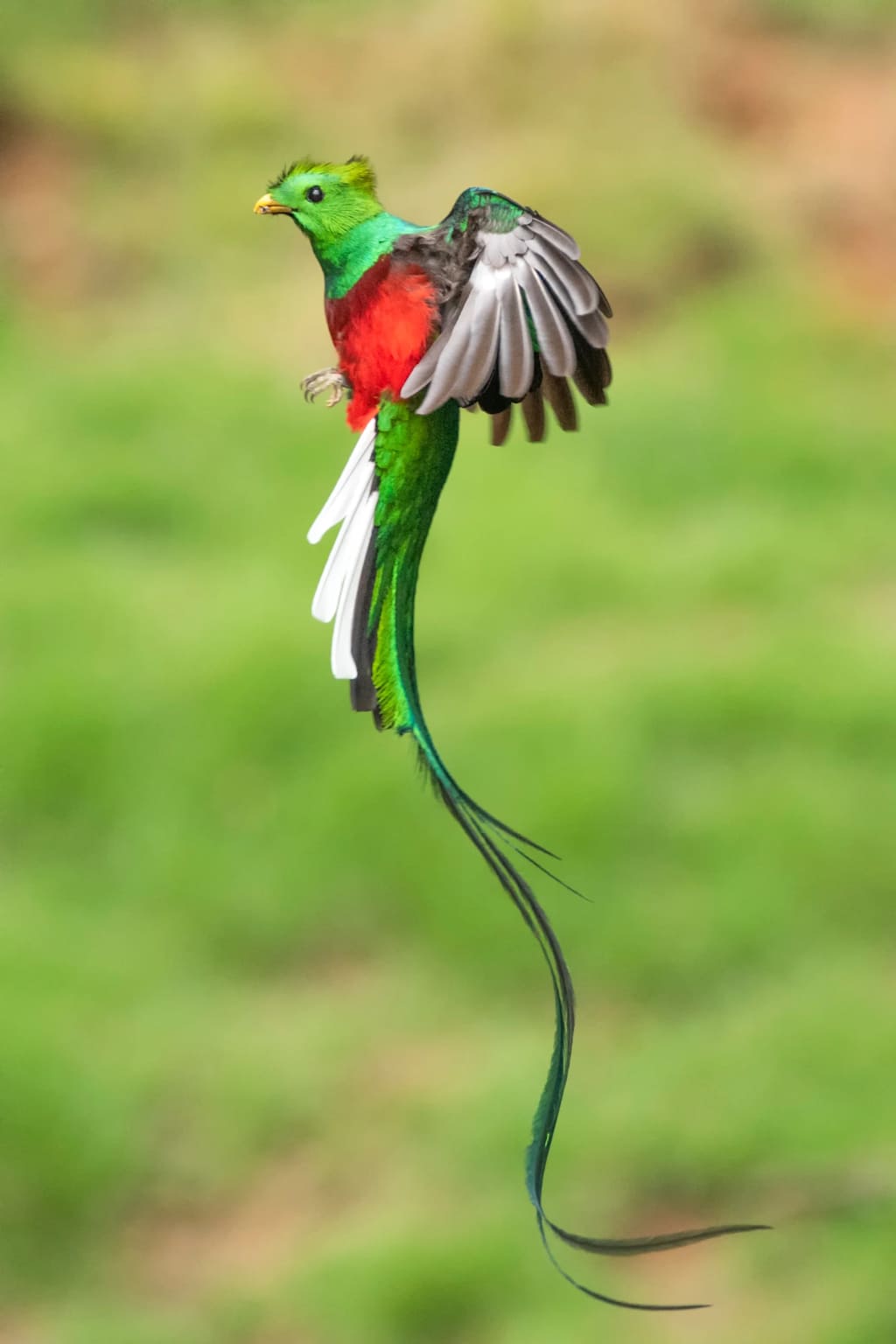
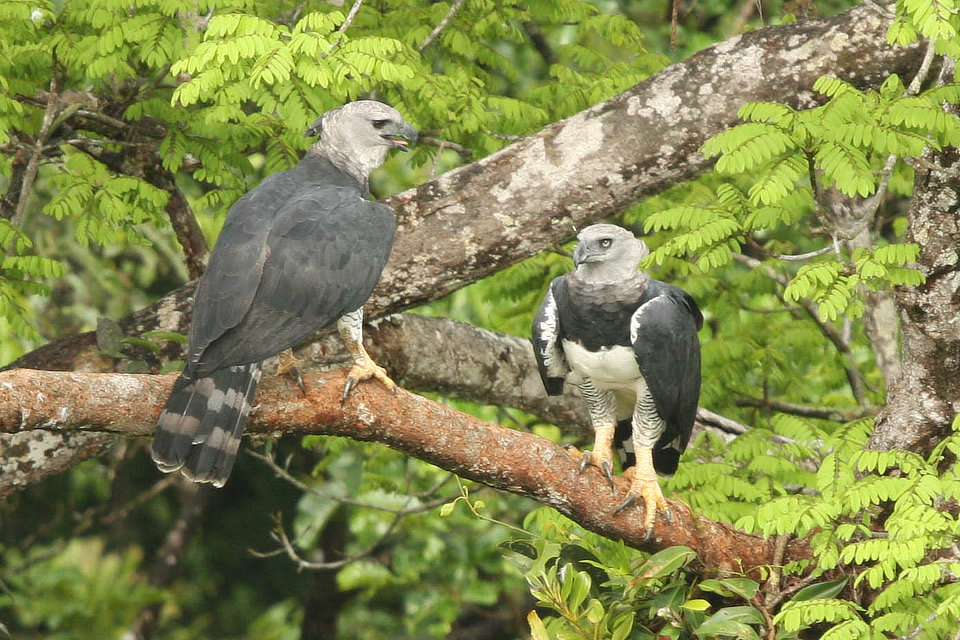
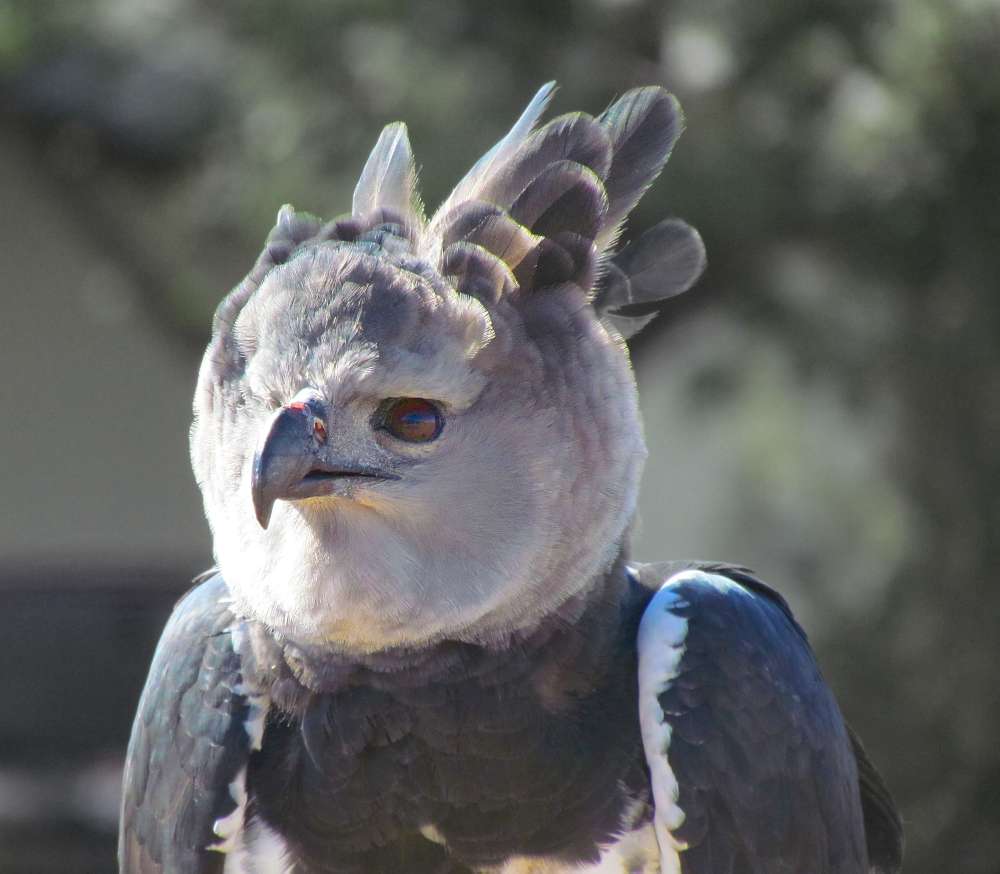
The Resplendent Quetzal — arguably the most photographed bird in Central America — is reliably found in the Chiriqui highlands around Boquete and Volcan during the dry season. The Harpy Eagle, Panama's national bird and one of the largest eagles on the planet, inhabits the Darién rainforest and is a once-in-a-lifetime photography target. The Keel-Billed Toucan, with its spectacular multi-colored bill, is found throughout lowland forests and is surprisingly approachable.
Other must-photograph bird species include the Blue Cotinga, the Royal Flycatcher, Scarlet Macaws along the Pacific coast, and dozens of hummingbird species. The Canopy Tower near Panama City — a former US military radar tower converted into a birding lodge — is one of the world's most celebrated birding destinations and gives photographers eye-level access to rainforest canopy species that are normally seen only as distant silhouettes.


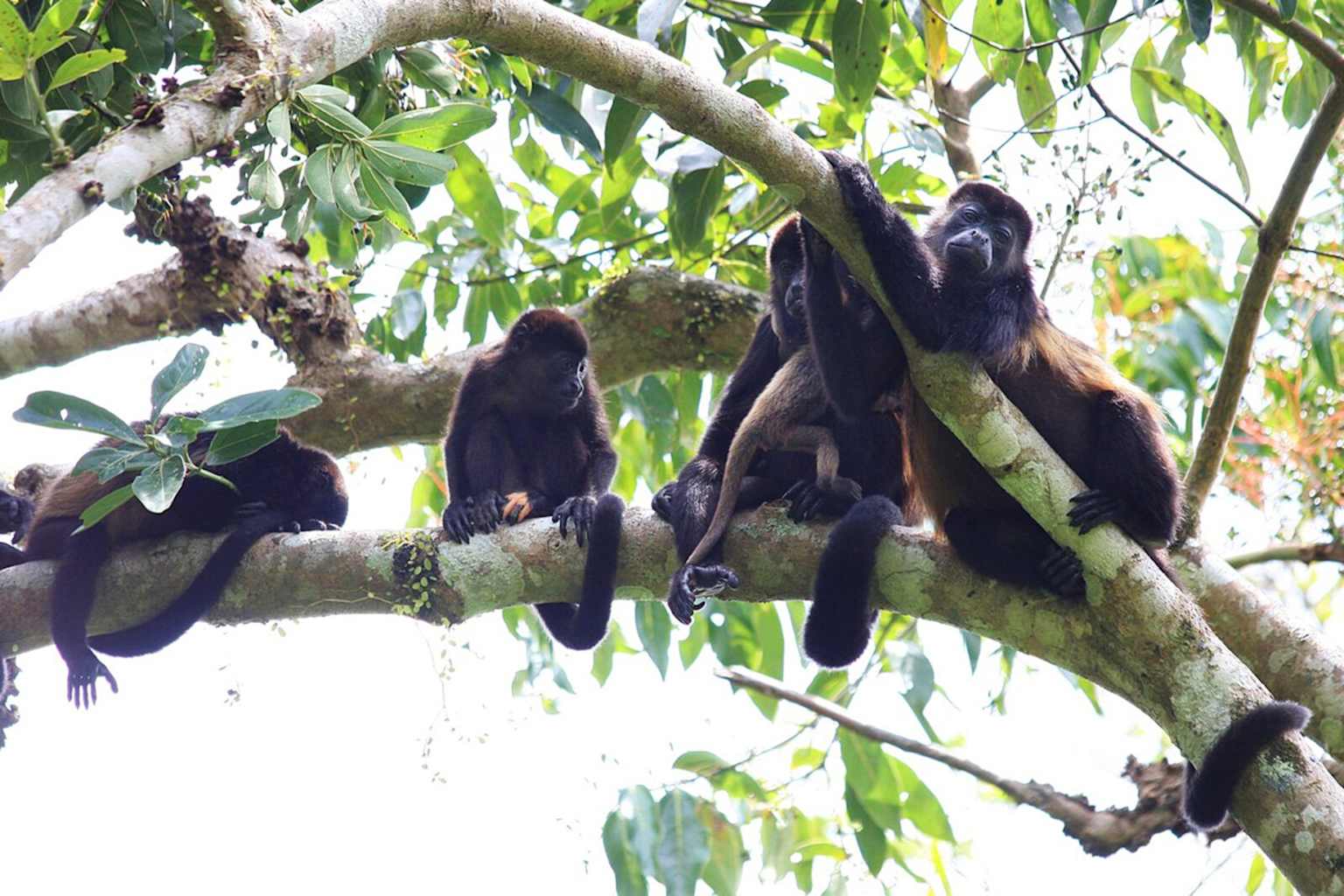
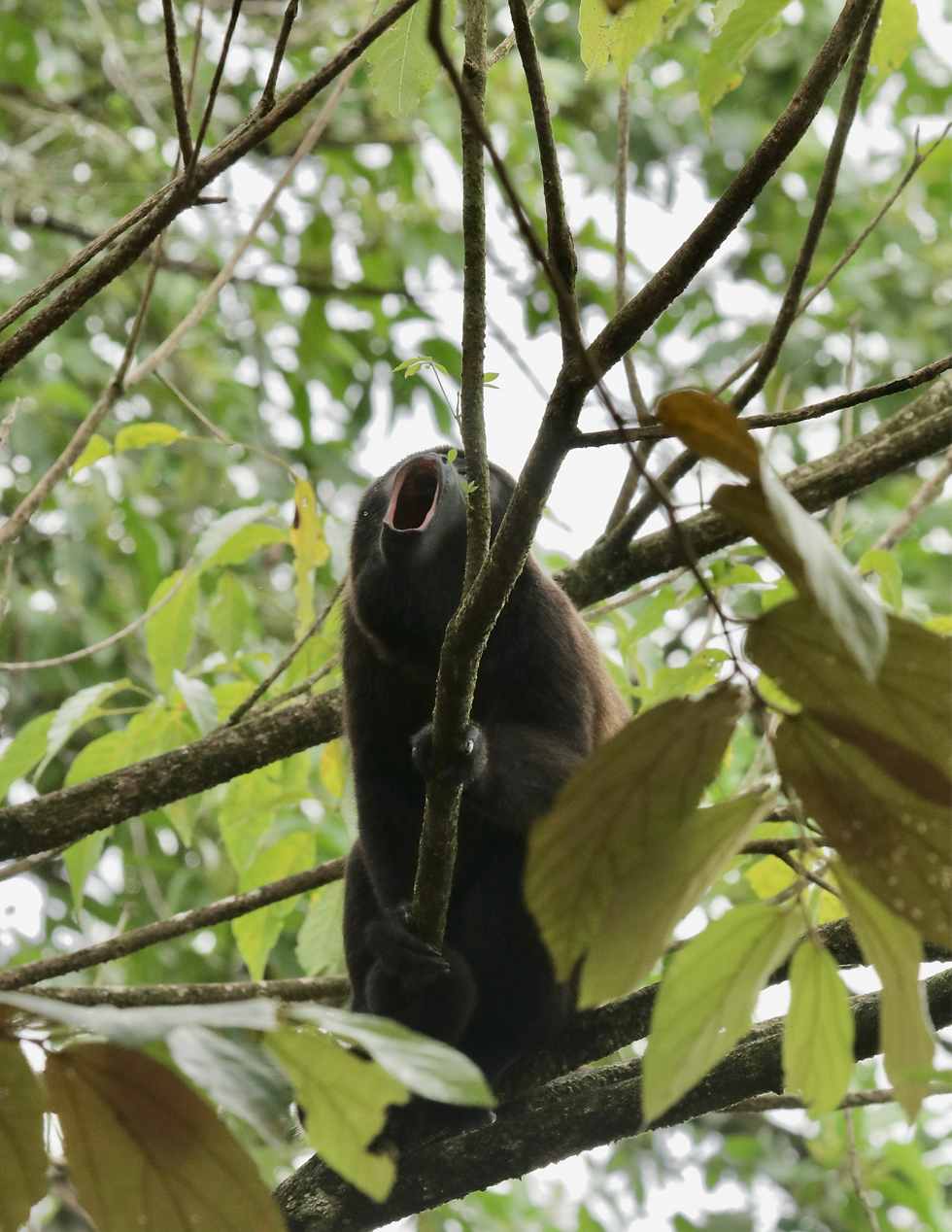
Panama supports four species of monkeys — howler, white-faced capuchin, spider, and Geoffrey's tamarin — all of which are surprisingly accessible to photographers. Howler monkeys are heard before they are seen, their deep roar rolling through the jungle at dawn and dusk. White-faced capuchins are bold, curious, and abundant in many of Panama's national parks.
The Darién jungle harbors jaguars, pumas, and ocelots — elusive but present, and occasionally captured by patient photographers or camera traps. Tapirs, giant anteaters, and kinkajous round out a mammal list that few countries in the world can match for accessibility and variety. Even sloths are relatively easy to photograph in the right locations — Gamboa, Barro Colorado Island, and the forests around Bocas del Toro are all reliable spots.


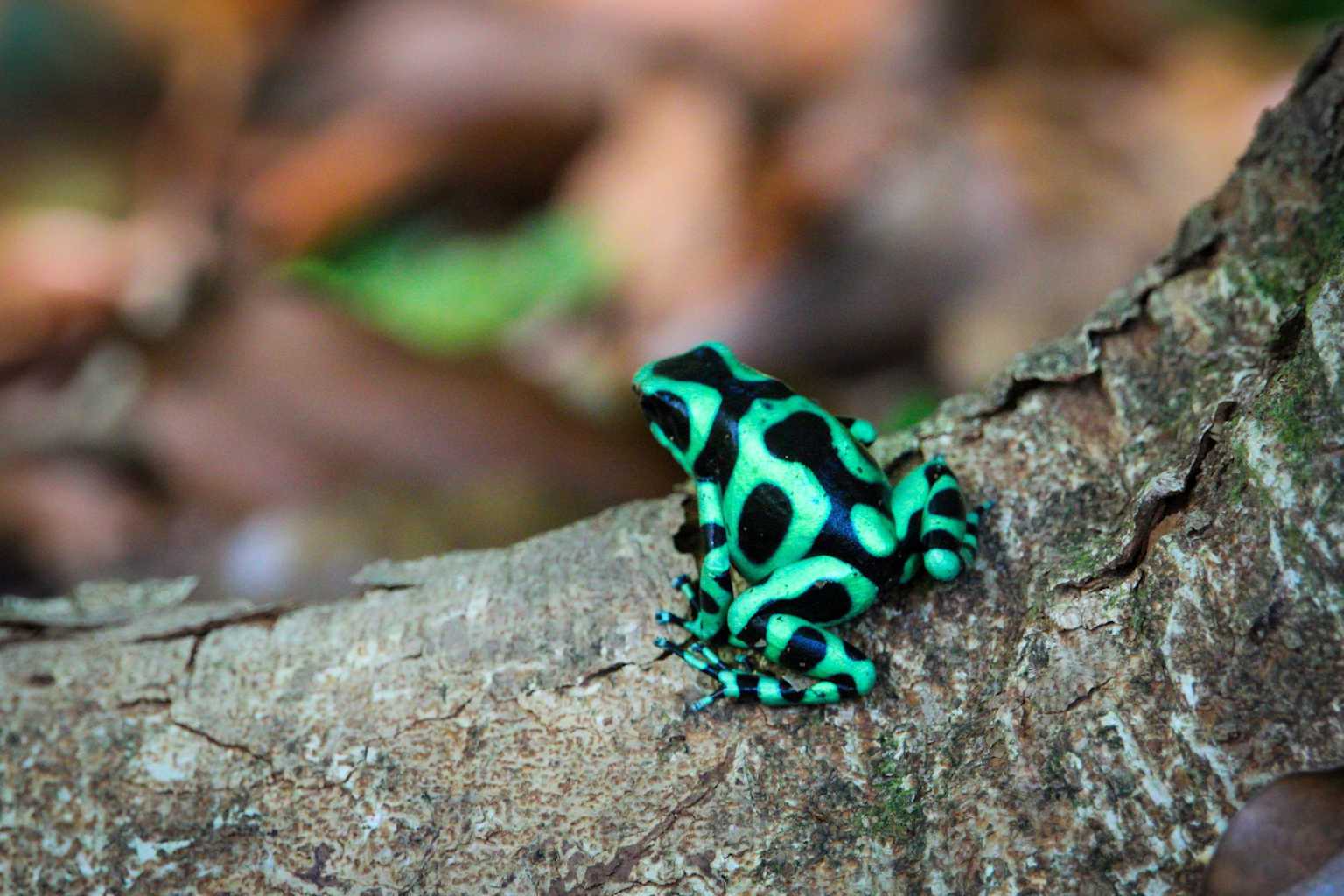
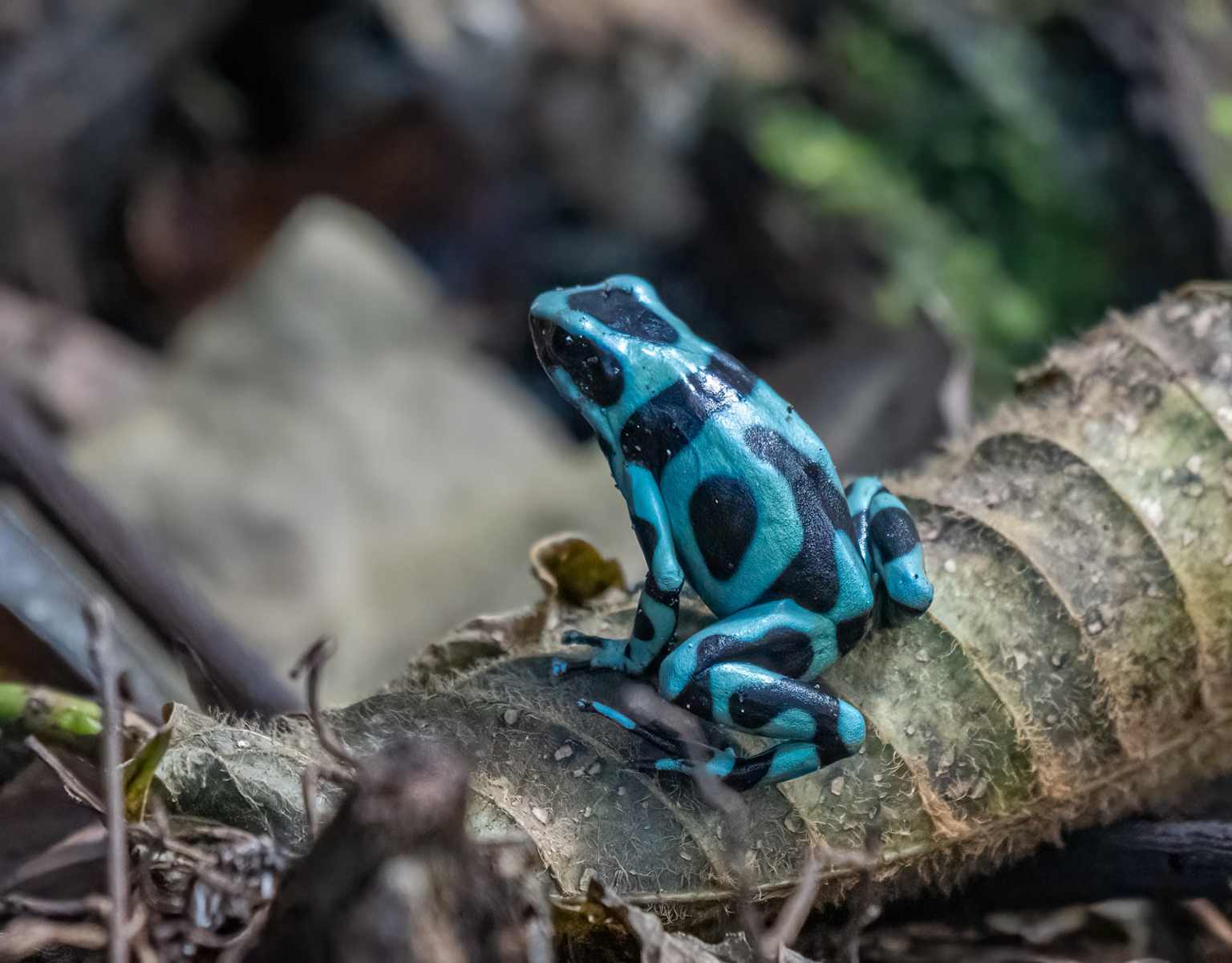
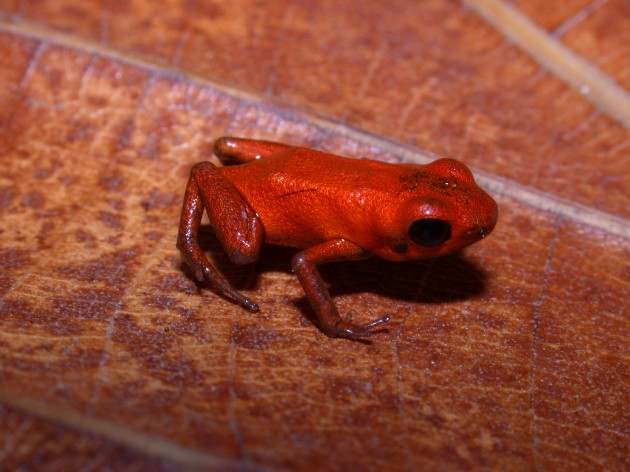
For macro photographers, Panama is nothing short of extraordinary. The country is home to more than 180 species of frogs and toads — and among them are the celebrated poison dart frogs of the genus Oophaga, which come in electric blue, vivid red, and neon green color variations that look almost surreal through a macro lens.
Bocas del Toro on the Caribbean coast is particularly famous for the Strawberry Poison Dart Frog (also called the Blue Jeans frog) and the electric blue Oophaga pumilio morph found on certain islands. These frogs are remarkably easy to photograph — they are small, slow-moving, and their bright colors mean they do not try very hard to hide.
Reptile photography is also highly rewarding — green iguanas, basilisk lizards, American crocodiles, caimans, and numerous snake species are all found in accessible areas. The Pipeline Road near Gamboa is world-famous among naturalists and photographers for the sheer concentration and variety of wildlife visible in a single day's walk.


Where to go for specific subjects and conditions
One of the world's most famous birding locations. The converted radar tower gives photographers eye-level access to forest canopy species. Pipeline Road nearby is considered one of the best single birding trails on Earth, with exceptional concentrations of antbirds, manakins, and raptors.
The top destination for Resplendent Quetzal photography, especially January–April when they breed. Also excellent for highland hummingbirds, cloud forest birds, and cool-weather macro subjects. Numerous guided birding tours depart from Boquete daily.
Panama's wildest and most biodiverse region — home to Harpy Eagles, jaguars, tapirs, and an extraordinary range of Amazonian species found nowhere else this far north. Remote but accessible with guided tours. A serious wildlife photography destination for determined adventurers.
The poison dart frog capital of Panama — multiple color morphs of Strawberry Poison Dart Frogs, sloths, and Caribbean bird species. Excellent underwater photography opportunities too, with coral reefs and sea turtles in season.
One of the most accessible tropical national parks in the world — just 25 km from downtown Panama City. Over 500 species of birds recorded here, plus monkeys, coatis, and agoutis that are comfortable around people. Ideal for day trips from the capital.
Humpback whales migrate through these waters July–October. Scarlet Macaws nest along the Pacific coastline. Sea turtles nest on beaches, and the Gulf's island marine park offers snorkeling and underwater photography in exceptionally clear Pacific waters.
Quick reference guide for photographers planning a Panama shoot
| Subject | Best Location | Best Season | Notes |
|---|---|---|---|
| Resplendent Quetzal | Boquete, Volcan, El Valle | Jan – Apr | Breeding season; males display long tail plumes |
| Harpy Eagle | Darién, Soberanía NP | Year-round | Rare; guided tours recommended |
| Poison Dart Frogs | Bocas del Toro, Darién | Year-round | Most active after rain; macro lens essential |
| Toucans | Throughout lowland forests | Year-round | Keel-Billed most photogenic; very approachable |
| Howler Monkeys | Soberanía NP, Bocas, Coiba | Year-round | Most vocal at dawn and dusk |
| Humpback Whales | Gulf of Chiriquí, Pacific | Jul – Oct | Mother-calf pairs common; boat tours available |
| Sea Turtles | Chiriquí Beach, Bocas | May – Nov (nesting) | Night photography; guided tours required |
| Scarlet Macaws | Coiba NP, Chiriquí coast | Year-round | Best photographed at nesting trees at dusk |
| Migratory Raptors | Cerro Ancon, Panama City | Oct – Nov | Millions of hawks migrate south in fall |
Most wildlife activity peaks in the first two hours after sunrise — cooler temperatures, softer light, and more active animals.
A knowledgeable local guide massively increases your hit rate — they know exact locations, nest sites, and animal behavior patterns.
Tropical humidity is hard on camera equipment. Dry bags, silica gel, and a good camera bag are essential.
A 400–500mm telephoto handles birds and mammals; a dedicated macro lens opens up an entirely different world of frogs, insects, and fungi.
The wet season (May–November) is lush and excellent for certain subjects — but afternoons often bring heavy rain. Plan shoots for mornings.
Wildlife photography rewards patience. Animals often return to the same perch or feeding spot — find it early, set up, and wait.
Common questions about photography and wildlife in Panama
Explore our full guides to Panama's best towns, landscapes, and living destinations — the perfect base for your next photography trip.