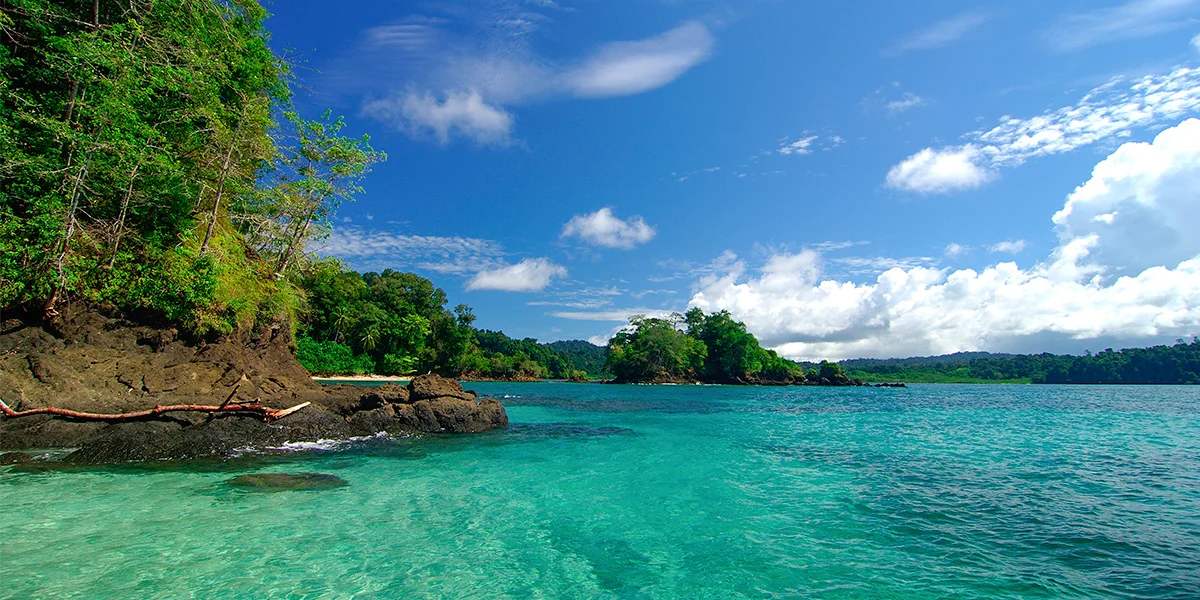
Panama Travel Guide

Places to See in Panama

Panama packs an extraordinary range of experiences into a small country — ancient rainforests, Caribbean island paradises, a world-famous canal, colonial history, indigenous cultures, and mountain cloud forests all within easy reach of each other.

June 2026  |  12 min read  |  All of Panama

Panama is one of the most underrated travel destinations in the world. Most visitors pass through on their way somewhere else and never realize that this narrow strip of land between two oceans offers more variety per square mile than almost any country on the planet. Historic cobblestone neighborhoods, UNESCO World Heritage sites, pristine tropical islands, world-class rainforest, and one of the great engineering achievements in human history — all within a country about the size of South Carolina.

Whether you are visiting for a week, scouting it as a place to live, or passing through Panama City on a layover, the country rewards anyone willing to venture beyond the airport and the hotel lobby. This guide covers the highlights — the places that visitors consistently say were better than they expected and that locals take pride in sharing.

Panama City Area

The Panama Canal

No visit to Panama is complete without seeing the canal. One of the greatest engineering achievements in history, the Panama Canal connects the Pacific Ocean to the Caribbean Sea across 80 kilometers of jungle and lakes — and it is still operating at full capacity more than a century after it first opened. Watching a massive container ship or cruise vessel squeeze through the locks is genuinely awe-inspiring, and it never gets old.

The best visitor experience is at the Miraflores Locks Visitor Center, just 20 minutes from downtown Panama City. The multi-level observation decks put you close enough to the locks to feel the scale of the operation. An excellent museum on site covers the canal's construction, history, and ongoing expansion. The expanded Agua Clara Locks on the Atlantic side — part of the 2016 expansion project that added a second lane for the largest modern vessels — is also open to visitors and even more dramatic in scale.

  • Miraflores Visitor Center — Panama City side, easiest access
  • Agua Clara Locks — Colón side, expanded canal lanes
  • Gamboa — canal town with wildlife, boat tours, and the famous Canopy Tower nearby
  • Canal transit cruises — full or partial transit by passenger boat available
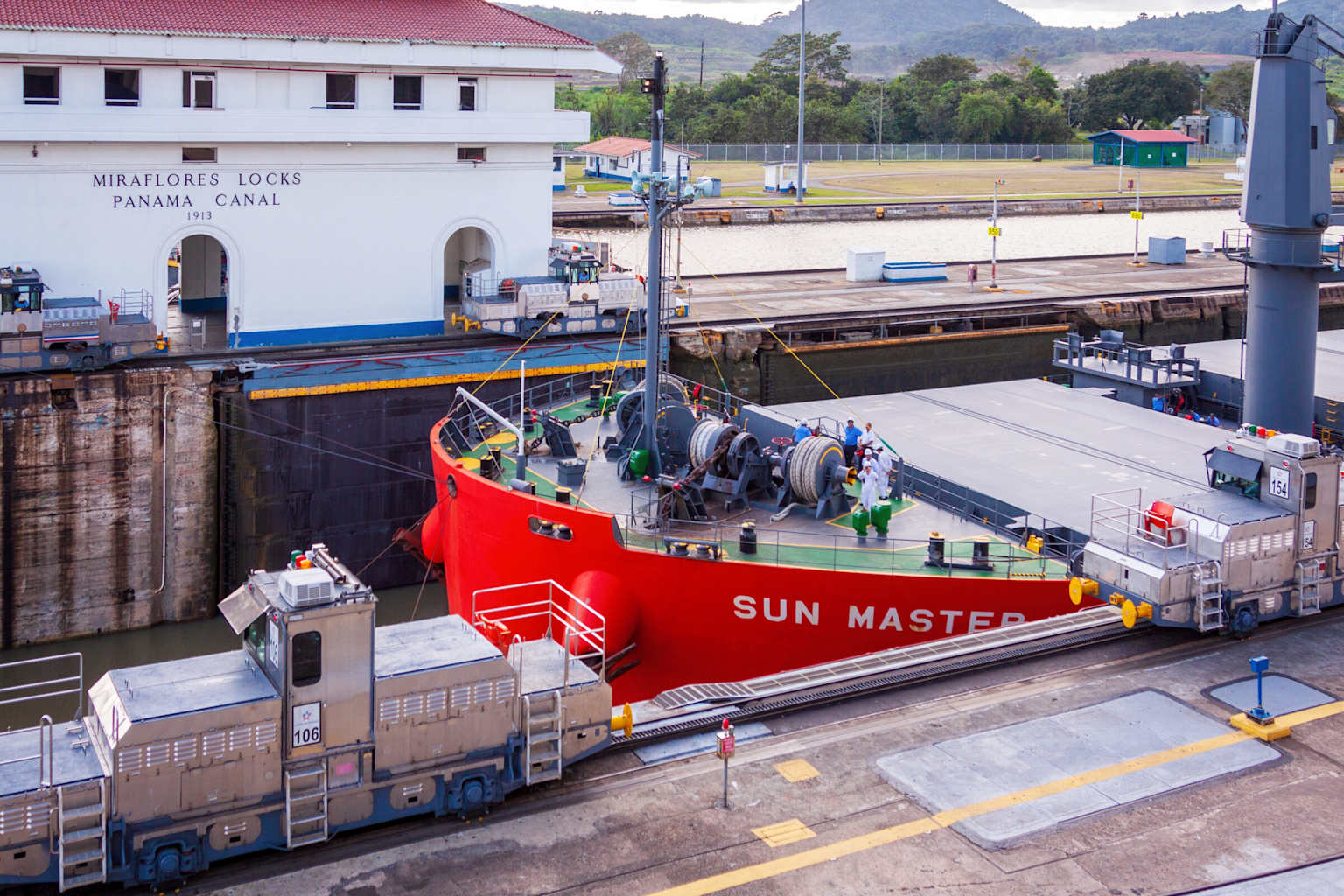
Panama Canal Miraflores Locks ship transit
Panama City

Casco Viejo — Panama City's Historic Quarter

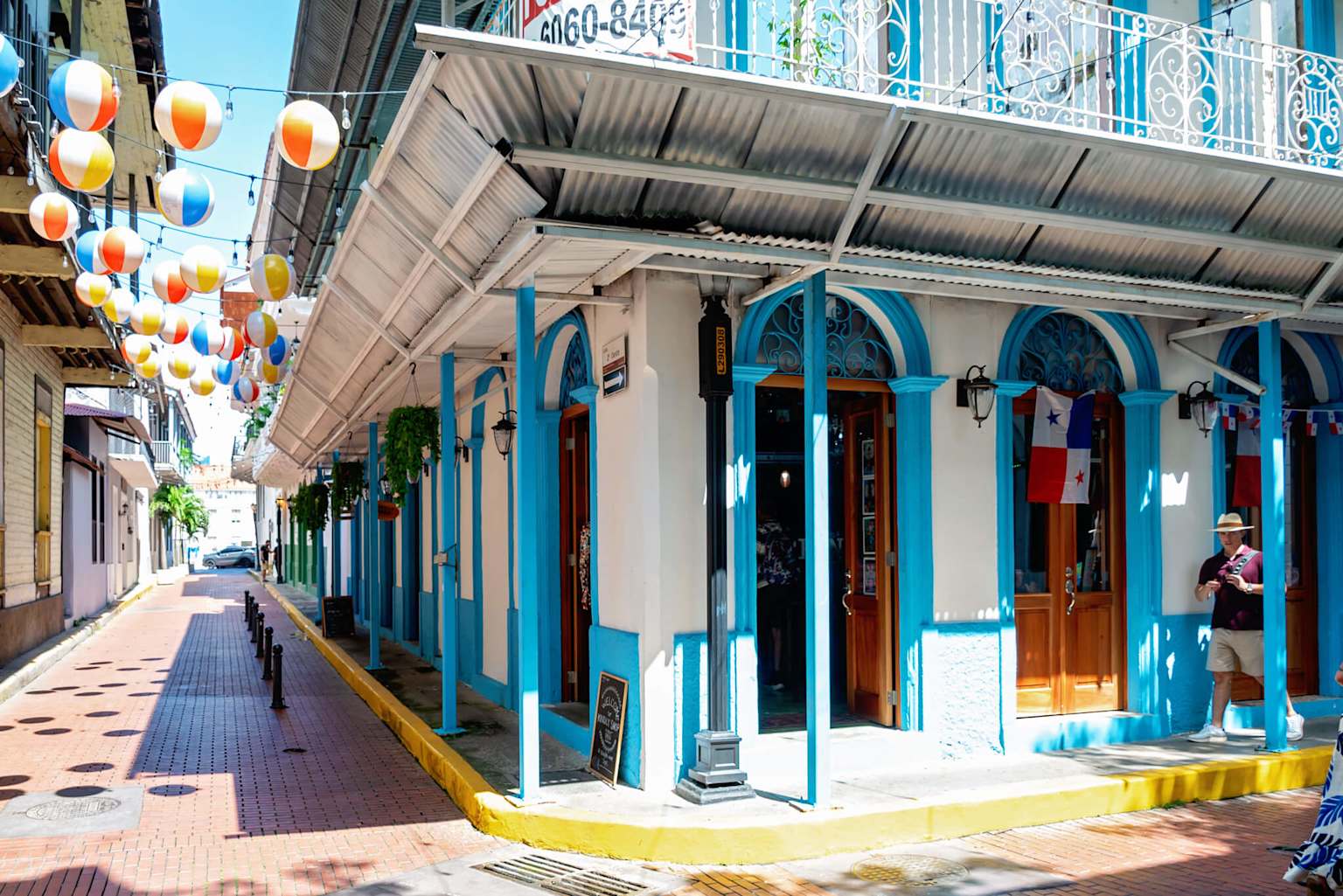
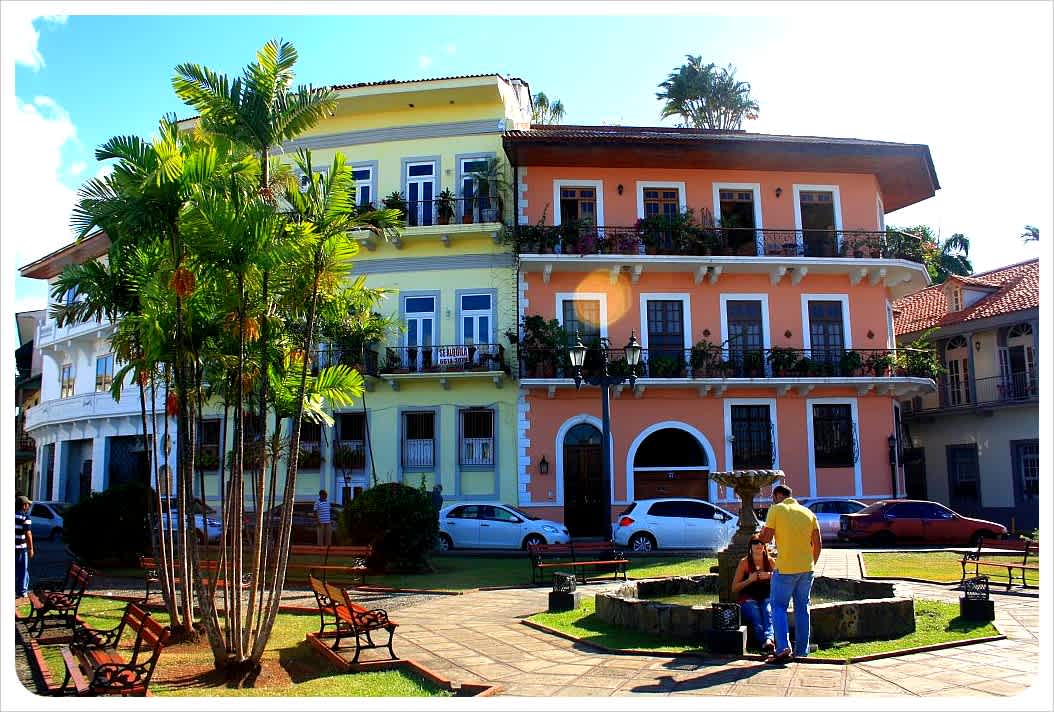
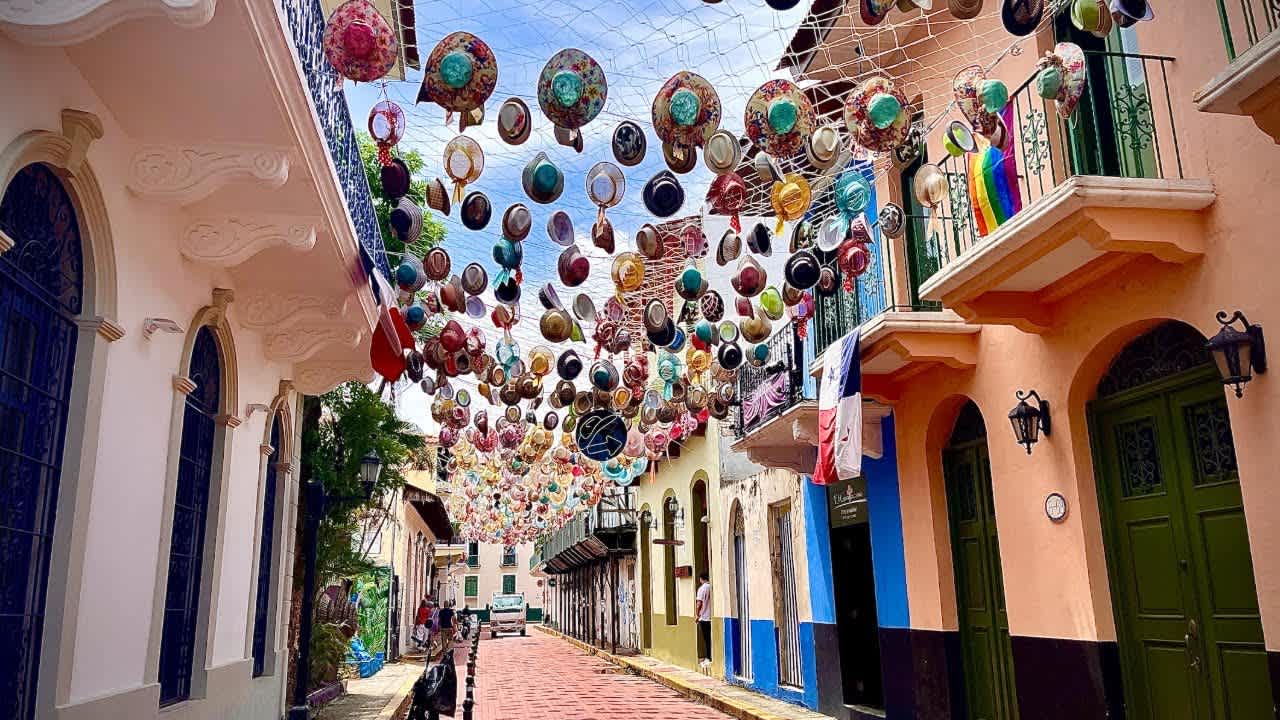
Casco Viejo — Panama City's old quarter — is a UNESCO World Heritage site and one of the most charming urban neighborhoods in all of Latin America. Built in 1673 after pirates destroyed the original Panama City, this compact peninsula of colonial-era streets, plazas, churches, and colorful buildings has been beautifully restored over the past two decades into one of the most vibrant and walkable neighborhoods in the Americas.

The district is a remarkable blend of the historic and the contemporary — crumbling 17th-century ruins sit next to boutique hotels, rooftop bars, world-class restaurants, and a nightlife scene that runs until sunrise. Walking its narrow streets you will pass French colonial-era buildings, Panamanian Republican architecture, Spanish colonial churches, and art galleries all within a few blocks of each other.

  • Plaza de la Independencia — the historic heart of old Panama
  • Metropolitan Cathedral and Las Bóvedas waterfront promenade
  • Views of the Panama City skyline across the bay
  • Dozens of restaurants, rooftop bars, and boutique hotels
Casco Viejo Panama colorful colonial street
Casco Viejo plaza Panama City
Casco Viejo colorful street with hats
Caribbean Coast

San Blas Islands (Guna Yala)

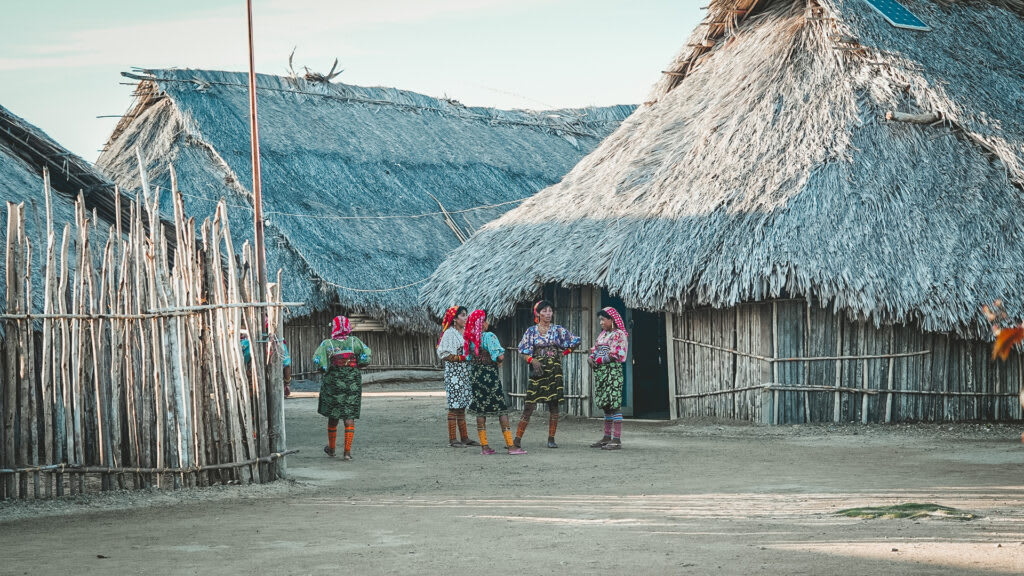
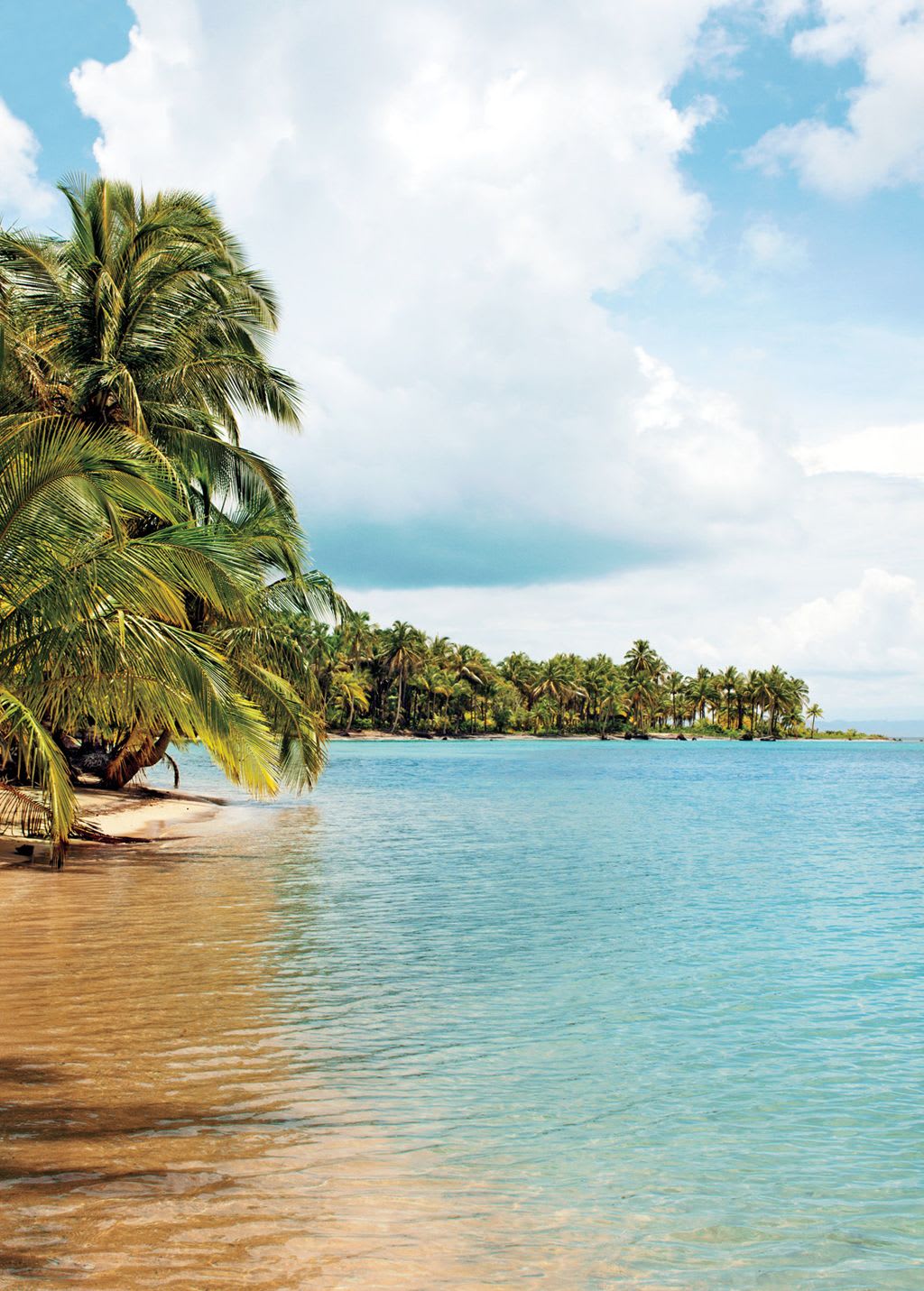
The San Blas archipelago — officially known as Guna Yala, the autonomous indigenous territory of the Guna people — is one of the most breathtaking island destinations in the entire Caribbean. More than 300 islands, most of them uninhabited, dot a stretch of impossibly turquoise water off Panama's northeastern Caribbean coast. The Guna people have maintained sovereignty over this territory for generations and continue to govern it with minimal outside interference.

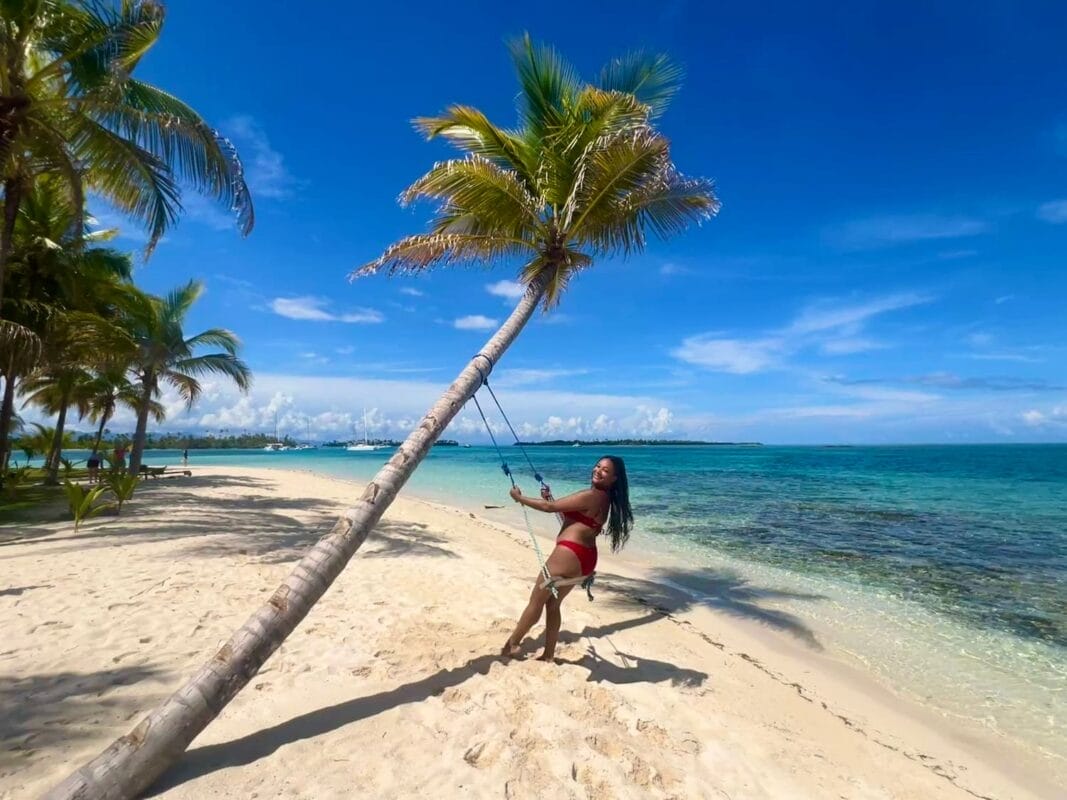
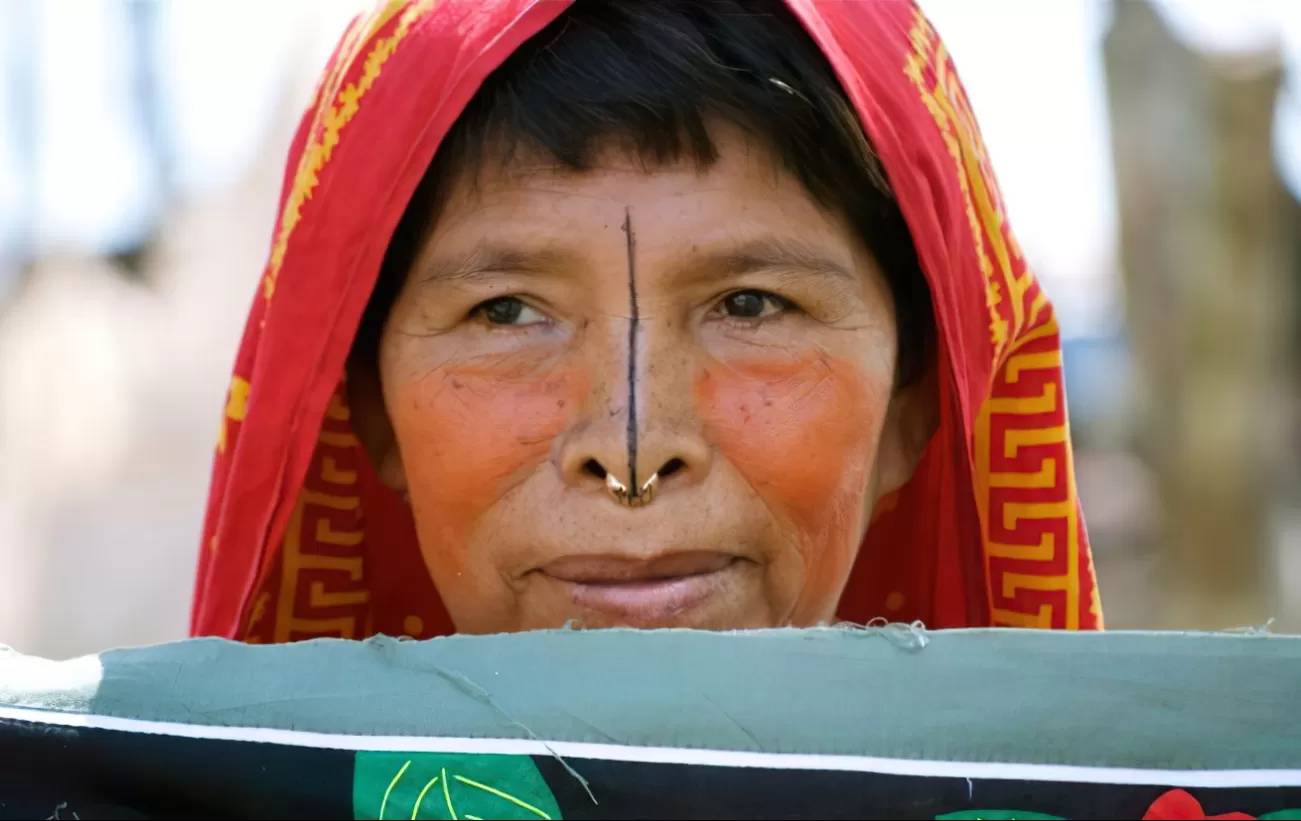
What you find in San Blas is the Caribbean stripped of resort development, cruise ship crowds, and commercialization. Many islands are nothing more than a handful of palm trees surrounded by white sand and crystal-clear water. You stay in simple huts, eat fresh lobster and fish caught that day, snorkel on coral reefs steps from the beach, and watch sunsets over an ocean that seems almost impossibly blue. The Guna people are welcoming hosts, and interaction with their culture — colorful mola textile art, traditional dress, island village life — is a genuine highlight.

  • 350+ islands, most uninhabited — pristine Caribbean at its purest
  • Guna indigenous culture — mola art, traditional villages
  • World-class snorkeling on intact coral reefs
  • Access by small plane from Panama City or by 4WD road
San Blas Islands Panama white sand beach
Guna Yala indigenous village San Blas Panama
Kuna woman San Blas Panama indigenous culture
Caribbean Islands

Bocas del Toro

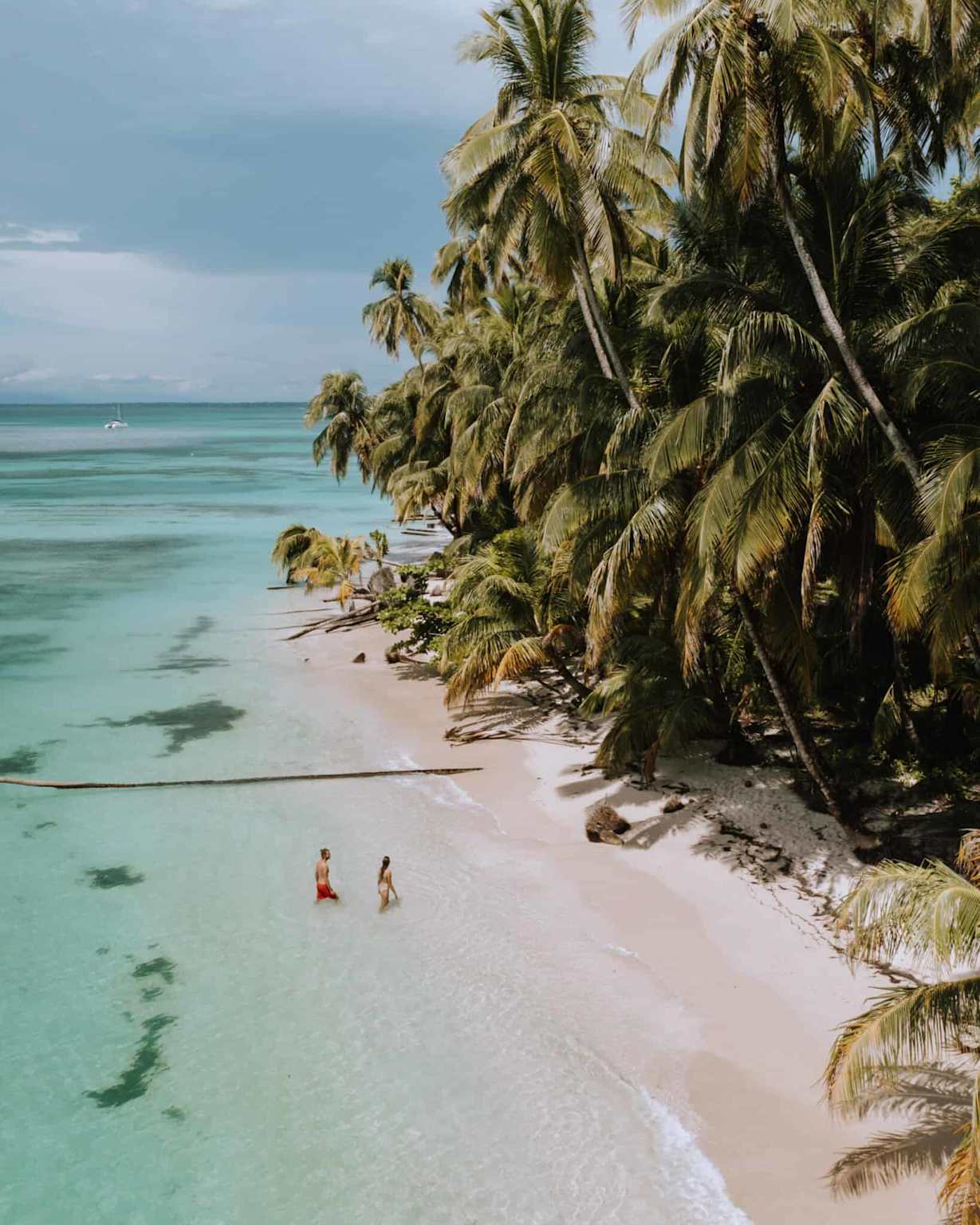
Bocas del Toro is Panama's most famous island destination — a Caribbean archipelago of nine main islands off the country's northwestern coast, close to the Costa Rica border. The town of Bocas on Isla Colón is lively, colorful, and built on stilts over the water. The surrounding islands and channels offer a variety of beaches, surf breaks, mangrove lagoons, jungle, and coral reefs that draws a constant flow of travelers, surfers, digital nomads, and ecotourists.

Unlike San Blas, Bocas has real infrastructure — hotels, hostels, restaurants, bars, and a beach scene that ranges from very laid-back to quite social depending on where you go. Red Frog Beach is famous for its surf and its resident red strawberry poison dart frogs. Bastimentos National Marine Park protects extensive coral reef for snorkeling and diving. Sea turtle nesting season (May–November) draws conservation visitors to Playa Larga.

  • Red Frog Beach — surf, sand, and strawberry poison dart frogs
  • Bastimentos Marine Park — snorkeling, mangroves, sea turtles
  • Bocas Town — colorful Caribbean town built over the water
  • Dolphin Bay — spinner and bottlenose dolphins in protected waters
Bocas del Toro Panama tropical beach
Bocas del Toro couple on beach Panama
Western Highlands

Boquete & the Chiriqui Highlands

Boquete is Panama's premier mountain destination — a lush highland valley on the eastern slope of Volcán Barú, Panama's highest peak and only volcano. The town is famous for its spring-like climate, world-renowned Geisha coffee, and some of the best hiking and cloud forest trekking in Central America. It draws birders, hikers, coffee lovers, and nature photographers from around the world — and has become one of the most recognized expat towns in Latin America.

The Lost Waterfalls Trail is one of Panama's most beautiful and accessible hikes, leading through cloud forest to three cascading falls. The Quetzal Trail offers the chance to spot the Resplendent Quetzal — one of the most spectacular birds in the Americas. Caldera Hot Springs nearby provides a natural thermal soak. And coffee farm tours showcase why Boquete's high-altitude microclimate produces beans that fetch record prices at auction.

  • Lost Waterfalls Trail — Panama's most beloved easy hike
  • Quetzal Trail — cloud forest birding for the iconic Resplendent Quetzal
  • Coffee farm tours — world-famous Geisha coffee country
  • Volcán Barú summit — see both oceans from Panama's highest point
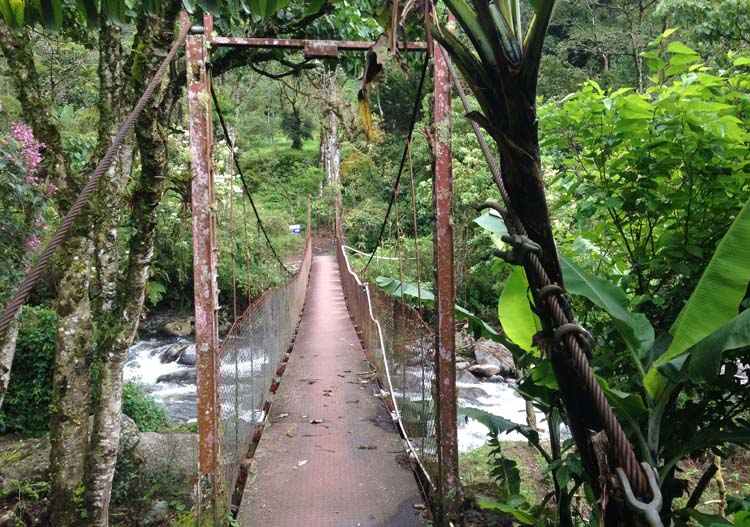
Boquete Panama cloud forest suspension bridge
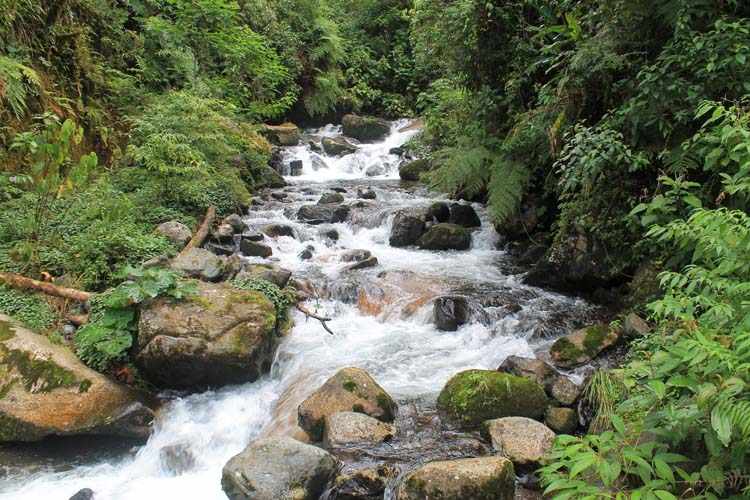
Boquete Panama rainforest waterfall stream
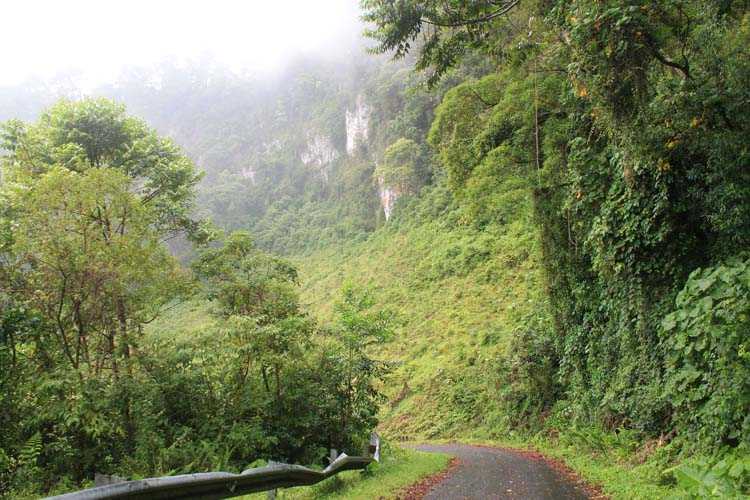
Boquete Panama misty cloud forest road
Pacific Ocean

Coiba Island National Park

Coiba Island is one of Panama's best-kept secrets and one of the most extraordinary marine environments in the entire Eastern Pacific. Often called "Panama's Galápagos," this UNESCO World Heritage national park covers a vast stretch of ocean including Coiba Island — the largest island in Central America — and dozens of surrounding islands, seamounts, and coral reefs.

Coiba was isolated from development for decades because it served as Panama's most notorious prison island until 2004. That isolation is now its greatest asset — the marine ecosystems are pristine and teeming with life that has been undisturbed for generations. Diving and snorkeling here is world-class: massive schools of fish, whale sharks, bull sharks, hammerheads, manta rays, sea turtles, and humpback whales (July–October) make this one of the most rewarding underwater experiences in the Pacific.

  • UNESCO World Heritage Site — largest island in Central America
  • World-class diving and snorkeling — whale sharks, mantas, hammerheads
  • Humpback whale watching — July through October
  • Pristine beaches and jungle — scarlet macaws and rare wildlife throughout
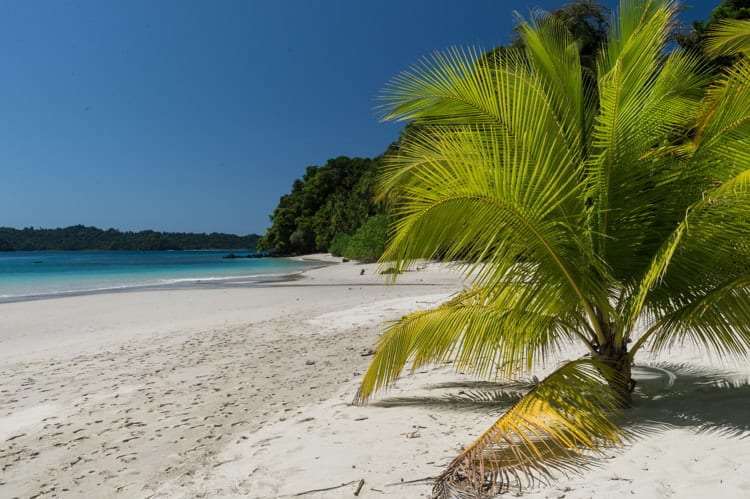
Coiba Island Panama tropical beach national park
Coiba National Park coastal forest and bays

More Must-See Destinations

Panama has more to offer than just the headline attractions

Panama City
Panama City Skyline & Modern District

Panama City has one of the most dramatic skylines in Latin America — a wall of skyscrapers along the Pacific waterfront that is best appreciated at sunset from the Cinta Costera or from Casco Viejo's rooftop bars. The modern financial district of Marbella and Punta Pacifica are worth exploring alongside the historic old city, offering a fascinating contrast of old and new Panama.

Central Panama
El Valle de Antón

A charming mountain town nestled inside an extinct volcanic crater — one of the largest inhabited volcanic craters in the world. Just 2–3 hours from Panama City, El Valle offers hot springs, hikes to waterfalls, a famous Saturday craft and produce market, and the Nispero Zoo with golden frogs and local wildlife. A great weekend escape from the capital.

Pacific Coast
The Pacific Riviera (Coronado & Coast)

Panama's Pacific coast begins less than an hour west of Panama City, with a string of beach towns and communities stretching toward the Azuero Peninsula. Coronado is the most developed — a popular weekend escape for Panama City residents with surf beaches, restaurants, and golf. Further west, beaches become more remote and wild, with excellent surfing at Santa Catalina.

Eastern Panama
Darién National Park

One of the most biodiverse places on earth and a UNESCO World Heritage site, the Darién is Panama's wild frontier — a vast, roadless expanse of primary rainforest that forms the biological bridge between North and South America. Home to jaguars, tapirs, Harpy Eagles, and indigenous Emberá communities. Accessible by guided expedition only — not for casual visitors, but unforgettable for serious adventurers.

Western Panama
Amador Causeway & Panama Bay

The Amador Causeway — built from rock excavated during canal construction — stretches into Panama Bay linking three small islands to the mainland. Lined with restaurants, bars, a marina, and the Biomuseo (designed by Frank Gehry), it offers stunning views of the city skyline, the canal entrance, and passing ships. A perfect evening outing from Panama City.

Pacific South
Pedasí & Azuero Peninsula

The Azuero Peninsula is Panama's cultural heartland — home to traditional festivals, indigenous crafts, and some of the country's most beautiful beaches. The sleepy town of Pedasí is a rising star for surfing, sport fishing, whale watching, and a quiet authentic Panamanian lifestyle. Isla Iguana offshore offers snorkeling, nesting seabirds, and humpback whales in season.

Near Panama City
Metropolitan Natural Park

Remarkably, Panama City is home to a protected tropical rainforest literally within city limits — Metro Natural Park is the only protected tropical forest within a capital city in the Americas. Just 15 minutes from downtown, it is a world unto itself where you can see monkeys, toucans, sloths, and dozens of bird species without leaving the urban area.

Atlantic Side
Portobelo & the Spanish Ruins

Just a couple of hours from Panama City on the Caribbean coast, Portobelo is a UNESCO World Heritage town with Spanish colonial forts that once guarded the most important port in the Americas for the Spanish treasure fleet. The ruins are dramatic — enormous stone fortifications slowly being reclaimed by jungle and sea. A compelling day trip into Caribbean history.

Western Highlands
La Amistad International Park

Shared between Panama and Costa Rica, La Amistad is a UNESCO Biosphere Reserve and one of the most important wilderness areas in Central America. Accessible from Volcán and Cerro Punta in western Panama, it protects primeval cloud forest, rare highland species, and some of the best high-altitude birding on the continent — including reliable Resplendent Quetzal territory.

Panama Destinations — Quick Reference

Find the right destination for the experience you are looking for

Destination Best For Distance from Panama City Best Season
Casco Viejo History, dining, nightlife, architecture In-city Year-round
Panama Canal (Miraflores) Engineering wonder, history, museum 20 min Year-round
Metropolitan Natural Park Wildlife, birding, easy urban nature 15 min Year-round
El Valle de Antón Mountain escape, markets, hot springs 2–3 hrs Dec – Apr
Portobelo Spanish ruins, Caribbean history 2 hrs Dry season
San Blas Islands Pristine Caribbean, indigenous culture 1 hr (plane) Dec – Apr
Bocas del Toro Beach, surf, reef, island life 1 hr (plane) Sep – Oct (dry)
Boquete Birding, hiking, coffee, cloud forest 6 hrs / 1 hr (plane) Dec – Apr
Coiba Island Diving, whale sharks, pristine Pacific 6 hrs / charter boat Dec – Apr
Pedasí / Azuero Surf, whales, Panamanian culture 4–5 hrs Jul – Oct (whales)
Darién Extreme wildlife, adventure expedition 1 hr (plane) Dry season only

Practical Tips for Visiting Panama

Panama uses US dollars

The Balboa is Panama's official currency but is pegged 1:1 to the US dollar. US bills are accepted everywhere — no currency exchange needed for American visitors.

Best dry season is Dec–April

The dry season offers the most reliable weather for beaches, hiking, and outdoor activities. The Caribbean side (Bocas, San Blas) has a different rain pattern — check locally.

Uber works great in Panama City

Uber is reliable, safe, and affordable throughout the capital. Outside Panama City, rental cars give you the most flexibility to explore.

Book San Blas in advance

San Blas accommodation is limited and fills up quickly in peak season. Book your island cabin several weeks ahead for December–April visits.

Panama City is a great hub

Most destinations are easily reached by domestic flight or 1–6 hour drive from Panama City. Budget 10–14 days to cover the highlights comfortably.

English widely spoken for tourism

Panama City, Boquete, Bocas del Toro, and San Blas all have strong English-speaking tourism infrastructure. In rural areas, Spanish is helpful.

Thinking About Making Panama Home?

If visiting Panama has you thinking about staying longer, explore our guides to living costs, visa options, and the best towns to live in across the country.